


哈佛招生歧视亚裔?种族配额已满,考再多分也无用
哈佛招生歧视亚裔?种族配额已满,考再多分也无用
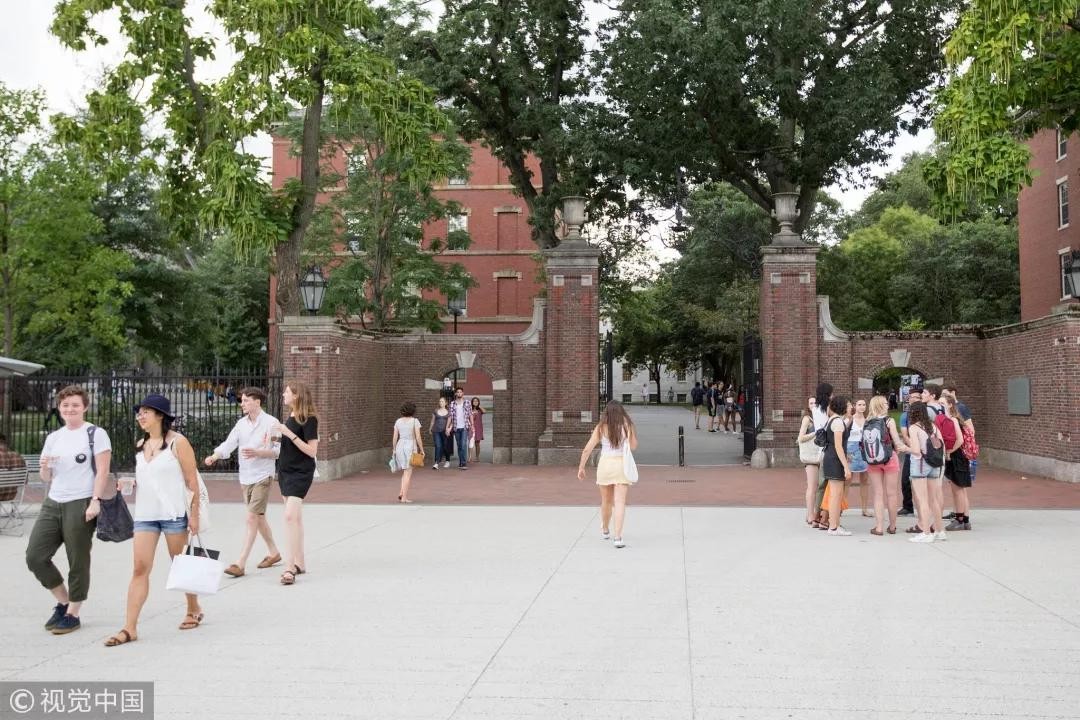
【美司法部:哈佛大学未能证明没有非法歧视亚裔美国人】
周四,美国司法部就此前闹得沸沸扬扬的哈佛大学招生“亚裔歧视案”发表声明称,哈佛大学未能证明它没有非法歧视亚裔美国人。
The US Department of Justice (DoJ) filed a statement on Thursday, saying Harvard University has failed to prove that it does not unlawfully discriminate against Asian-Americans when making admissions decisions.
“哈佛大学承认在招生过程中将种族因素考虑在内。根据美国最高法院判例,哈佛大学必须证明它对种族因素的使用不会对亚裔美国人造成非法种族歧视。然而哈佛大学未能证明这一点。”
"Harvard admits that it uses race to decide whether to admit certain applicants to the college. Under Supreme Court precedent, Harvard must demonstrate that its use of race does not result in illegal discrimination. Harvard has failed to do so."
案件原告为反平权行动组织“大学生公平入学”(Students for Fair Admissions),该组织于今年6月15日向法院递交文件,指控哈佛大学招生系统中的“个人评级”制度损害了亚裔学生的入学机会。
The plaintiff, Students For Fair Admissions (SFFA) filed a motion on June 15 this year, criticizing Harvard's unfair treatment of Asian-American applicants.
“个人评级”是一系列由主观评分而构成的评判标准,包括“受喜欢程度”、“善良”、“勇气”、“是否被广泛尊重”等等。
“大学生公平入学”在控诉文件中称,尽管亚裔学生在考试成绩、课外活动中通常表现得比其他种族群体更为出色,却因哈佛长久以来在“个人评级”项中压低亚裔学生得分,使得亚裔录取率被大大降低。
According to SFFA analysis of more than 160,000 student records filed in June, Asian-American applicants scored higher than other ethnic groups on measures like test scores, grades and extracurricular activities, but were consistently rated lower on “personal ratings,” which were ratings given by Harvard based on a set of subjective criteria including "positive personality" and being "widely respected" etc.
As a result, chances were significantly dragged down for Asian-American students to be admitted to Harvard.
这一说法在美国司法部发表的声明中得到证实:“哈佛承认,在‘个人评级’一项中,亚裔学生的成绩普遍比其他种族学生低。”
This was proved in the statement filed by US Justice Department.
"Harvard admits that, on average, it scores Asian-American applicants lower on this personal rating than applicants of other races."
【哈佛回应:招生考虑种族因素是学校权利 将继续捍卫这一权利】
针对司法部声明,哈佛大学于同一天发文回应称,对司法部立场感到“失望”。
哈佛表示,学校从未歧视任何团体的申请人,并会继续大力捍卫每所学校将种族作为招生考虑因素的合法权利——这一权利在过去的40多年中都得到最高法院的支持。
In response to the DoJ's statement, Harvard said Thursday that it was "deeply disappointed" and reaffirmed its determination to consider race in its admissions.
"Harvard does not discriminate against applicants from any group, and will continue to vigorously defend the legal right of every college and university to consider race as one factor among many in college admissions, which the Supreme Court has consistently upheld for more than 40 years."
"Colleges and universities must have the freedom and flexibility to create the diverse communities that are vital to the learning experience of every student, and Harvard is proud to stand with the many organizations and individuals who are filing briefs in support of this position today."
针对“个人评级”一项,哈佛大学认为司法部界定有误,表示这一项评分反映了申请人更为广泛的人生背景及经历。
"The personal rating reflects a wide range of applicant information, such as personal essays, which Harvard uses to understand the applicant’s full life story, for example, where the student grew up, what opportunities or challenges they faced in their families and communities, and what impact they might have both at Harvard and after they graduate, as citizens and leaders out in the world."
【国外网友如何看待?】
司法部的声明让哈佛案在网络上持续发酵,引发网民和学生热议。其中,在《纽约时报》相关文章的评论留言中,很大一部分亚裔学生站队“大学生公平入学”组织,对司法部的该项声明表示欢迎。
The DoJ's statement has further intensified debate over the Harvard case, with a large portion of netizens and students welcoming the justice department's stance.
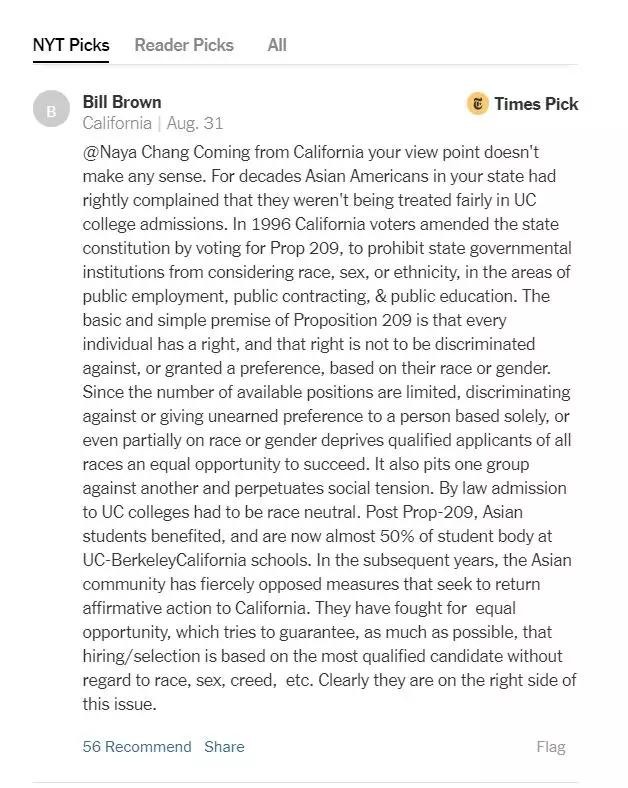
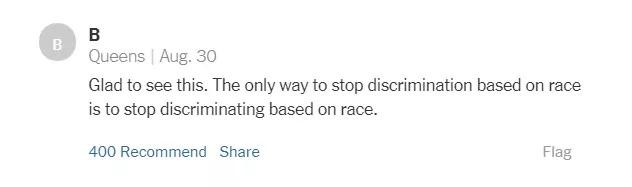
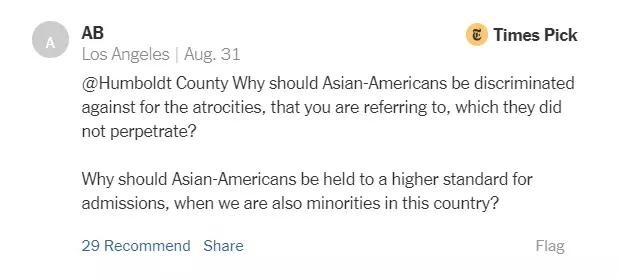
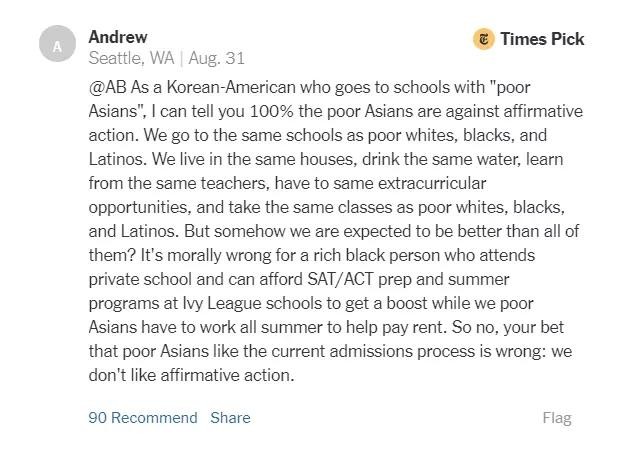
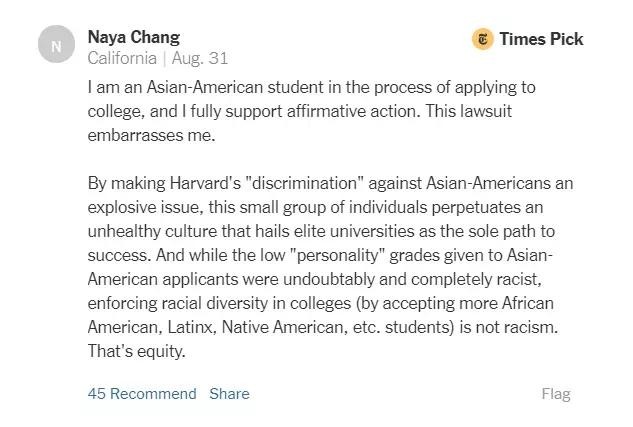
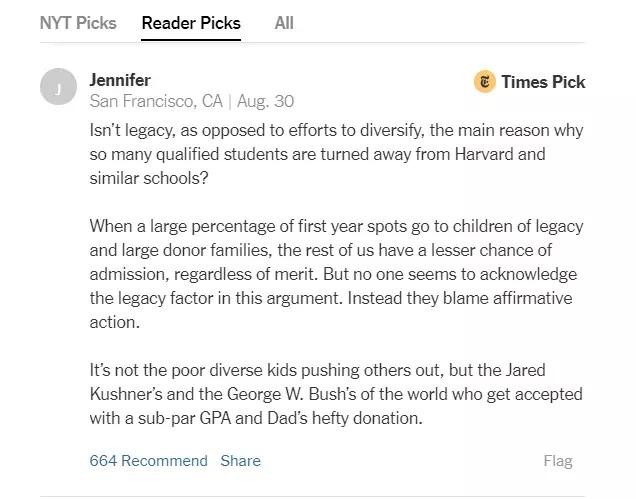
还有一些人发出质问,称“捐款”、“拼爹”才是导致大学录取不公正的真正原因。相比于平民孩子,名校更倾向于录取有钱人家的孩子,尤其是当他们的父母给予过学校大笔捐赠的时候。
Other commenters pointed to legacy preferences as an unfair college admissions policy.
【哈佛大学各种族学生录取比例】
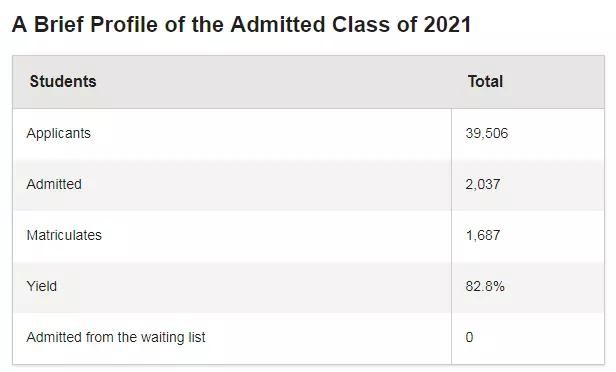
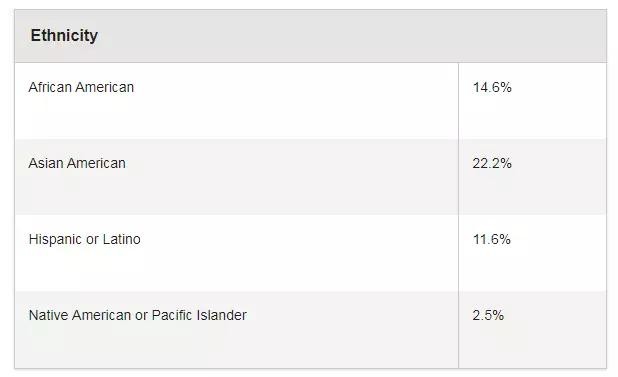
据哈佛大学官网数据显示,在2021届录取的近4万名学生中,亚裔学生占总录取人数的22.2%。
According to the latest data released on Harvard's website, the school’s admitted class of 2021 is 22.2 percent Asian-American.
非裔学生占14.6%,拉丁裔占11.6%,印第安人及太平洋岛民占2.5%。除此之外的其它种族,主要为白人学生,占比不到50%。
African-Americans take up 14.6 percent. Hispanic or Latino students constitute 11.6 percent and Native American or Pacific Islanders make up 2.5 percent.
A category of all other ethnic groups, which consists of a majority of white students, is under 50 percent.
【美大学招生政策:“平权法案”到底是“平权”还是“特权”?】
就在上月,特朗普政府宣布计划撤销美国大学招生中的“平权法案”指导方针,称将实行“种族中立”政策。这一举措得到大批亚裔学生欢迎,却也让很多学校不满。
Last month, the Trump administration announced its intention to abandon the Obama-era guidelines for the implementation of Affirmative Action at universities.
“平权法案”最早始于1961年肯尼迪总统一个反对歧视的行政命令,后来演变成为用来照顾少数种族和弱势群体的优惠措施。
在美国大学招生系统中,它被用以支持“种族配额”政策,即大学在招生中,相同水平的不同种族学生,优先鼓励录取少数族裔的学生,旨在帮助社会中处于弱势地位的少数种族学生争取受教育的机会并促进校园的多元化。
The term "affirmative action" was originated from an executive order signed by US President John F. Kennedy in 1961, which included a provision that government contractors "take affirmative action to ensure that applicants are employed, and employees are treated during employment, without regard to their race, creed, color, or national origin."
Affirmative Action was later adopted by a number of schools and universities as a policy to help improve opportunities for ethnic minorities as well as to ensure greater diversity.
“平权法案”在全世界很多国家都被作为一种基本政策在执行。
但由于这种措施在某种程度上对白人及亚裔造成了“逆向歧视”,因此也时常引起争议,哈佛案就是典型的例子。
However, it was challenged by opponents as "reverse discrimination," which is believed to have increased racial tension as it gives privilege to one group while putting another at a disadvantage.
哈佛案将于今年10月在波士顿开庭。
The Harvard case is scheduled to go to trial in Boston in October.
-

- 戴春荣:25岁跟初恋结婚,结婚36年零丑闻,和女儿、女婿当邻居
-
2026-04-03 06:17:50
-

- 善恶终有报!44岁的李晨终于为自己的“风流”付出了惨重代价
-
2026-04-03 06:15:35
-

- 看到郭德纲9岁小儿子长相,才明白郭麒麟拼命往影视圈的真正原因
-
2026-04-03 06:13:21
-

- 国家规范在森林和野生动物类型国家级自然保护区修筑设施审批管理
-
2026-04-03 06:11:07
-
- 全网最全!中超赛季完结!球队数据榜单盘点!
-
2026-04-03 06:08:52
-

- 全网最全!中超赛季完结!球队数据榜单盘点!
-
2026-04-03 06:06:38
-
- 苗工说茶第一百六十二篇——《教父》系列观后感(二)
-
2026-04-03 06:04:24
-
- 滚动|美众议院通过两项总统弹劾条款,特朗普炮轰
-
2026-04-03 06:02:09
-
- dog-eat-dog是个啥意思呢?
-
2026-04-03 05:59:55
-

- 90后白手起家首富:江西小伙专科毕业,抓住年轻人的胃,狂赚70亿
-
2026-04-03 05:57:41
-

- 亚残运会冠军王宏宇:摔打出的生命之光
-
2026-04-03 05:55:26
-
- 网络主播获官方认证 80后90后占比过半
-
2026-04-03 05:53:12
-
- 赵寅成宋慧乔绯闻是真的吗
-
2026-04-03 05:50:58
-

- 5年前,曾轰动一时的“冰花男孩”王福满,他的愿望是否都已实现?
-
2026-04-03 05:48:43
-

- 雷军的高端雄心
-
2026-04-03 05:46:29
-

- “院”来是你 | 汕头大学理学院介绍
-
2026-04-03 05:44:15
-

- 日本男生痴恋女同学的亲妈?差21岁仍勇敢结婚,女同学:我支持
-
2026-04-03 05:42:00
-

- 川剧变脸,川剧表演的特技之一
-
2026-04-02 07:28:45
-

- Z350次列车运行线路图:山东青岛北开往内蒙古包头,全程1743公里
-
2026-04-02 07:26:30
-

- NBA高清壁纸系列|从不认为自己是巅峰,仍要向上攀爬
-
2026-04-02 07:24:16
 推荐三本超级好看的穿越小说、破敌国,平内乱,领骑军,战四方
 走私爆珠烟“围猎”年轻人,要及时刹住不良“种草”风 | 新京报快评